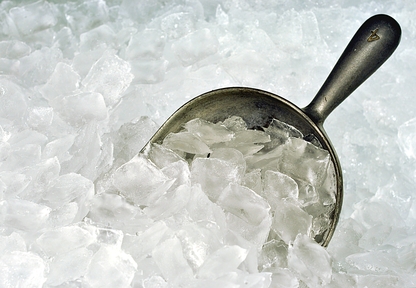
- The fountain drink machine makes its own ice and is not touched by human hands
- If the machine does not make its own ice, or contains a scoop in which employees use to ice customer drinks, make sure the scoop is returned to the compartment outside the machine. The scoop should never be stored in the ice bin with the ice.
Thursday, March 14, 2013
How Clean is the Ice in Your Drink?
Wednesday, February 20, 2013
Is all bagged ice safe?
Tuesday, November 20, 2012
Staying Hydrated During the Winter
- Have a bowl of clear soup before each meal. It will not only warm and fill you up but it will also provide nutrition and increase your water content.
- Use water humidifiers during the winter.
- Drink herbal tea.
- Add a sprig of mint or some lemon to your water for a refreshing twist.
Monday, October 22, 2012
Water: The Mood Booster!
- Drink a glass or bottled water as soon as you wake up.
- Drink less caffiene.
- If you can't stay away from caffiene and sodas, drink 8oz of water for every caffeinated drink you consume.
- Snack on fruits and veggies, they contain water.
Tuesday, October 2, 2012
Common Water Problems
Thursday, September 13, 2012
Why Choose B&B Ice Water?
It seems as if it would be cheaper just to make your own ice water…right? Wrong.
Monday, August 27, 2012
B&B Bottled Water
One of the key benefits of natural spring water is that it comes from a clean underground source. Spring water is free from contaminates usually found in drinking water. It also contains minerals that are beneficial to human health.
Other benefits of bottled spring water:
- It’s convenient and portable
- Bottled spring water is pure and natural, it does not contain any added chemicals
If you want fresh tasting water that’s safe to drink, our bottled spring water is the way to go. Yes, bottled water is available at most grocery stores, but we offer bulk bottled water delivery service to businesses in the Southeast Texas area.
Monday, August 6, 2012
Staying Hydrated: Water vs Soda
Soft drinks, unless otherwise indicated, contain caffeine. In the past, experts claimed that caffeine was a diuretic, causing more frequent urination and therefore could cause dehydration. More recent studies have found that in moderate amounts, caffeine has only mild diuretic effects, much like water. However, soda also contains large amounts of sugar and other artificial ingredients that can dehydrate the body. These ingredients drastically raise blood sugar levels and the body must use massive amounts of water to bring them down.
Water makes up more than two thirds of your body weight. As little as a 2% drop in your body’s water supply can trigger symptoms of dehydration: fuzzy short-term memory, trouble with basic math, difficulty focusing on tasks, and daytime fatigue.
Water is necessary for your body to function properly. It carries nutrients to cells, flushes out organs, and ensures proper kidney functions. It is your best bet for staying hydrated on a hot day because it’s cheap and contains no calories.
Check out the Infographic below for more information:
Monday, July 23, 2012
US Drought 2012 Water Conservation Tips
If you haven’t heard about the drought that has hit most of the United States, chances are you’ve been living under a rock. If you are living under a rock, we understand, it’s probably cooler under there anyway. The major drought has affected over 48 US states, most of them being declared disaster areas. Crops have been hit hard, driving produce prices higher. Many state and local governments are suggesting or even mandating that residents conserve water.
“Under a water conservation ordinance now in effect in Marion County, Ind., which includes Indianapolis, residents can be fined $100 for a first violation and $2,500 per day for a fourth violation if they:
So if you haven’t resorted to living under a rock here are some tips that can help you conserve water during extreme heat:
1. Cut down on your shower time and avoid taking baths.
2. Remember to turn off the water while brushing your teeth or washing your face
3. Use the “energy saver” settings on your appliances that use water.
4. Only wash full loads of clothes.
5. Examine faucets, pipes, and hoses for leaks and replace any leaking fixtures.
6. Buy bottled water and store it.
7. Do not waste water waiting for it to get hot, capture it in a container and use it for watering plants or cooking.
8. Wash dishes by hand instead of using the dishwasher, they use about 14 gallons per load.
9. Don’t over-water your lawn. It only needs to be watered every 5 to 7 days in the summer.
10. Don’t fertilize your lawn during a drought because it burns the grass.
Most importantly, never put water down a drain that can be used for something else!
Wednesday, May 16, 2012
Ten Tips on how to Stay Cool During the Southeast Texas Summer
1. Wear cotton clothing, it has a tendency to stay cooler than other fabrics.
2. Store sunblock and lotions in the fridge or your ice chest for a “cooler” application.
3. Keep a spray bottle in the fridge or ice chest for a refreshing burst of cool water when you need it.
4. Reschedule your outdoor exercise routine to the early morning or late evening hours. If that’s not possible, try scaling down your exercise routine, walking instead of running, or shave a few minutes off your normal routine.
5. Keep water bottles in the freezer and take them outside with you when you do yard work or gardening, the heat will melt the ice at a perfect rate and you will have a steady supply of cool water to drink.
6. Get a bandana, soak it in cool water and wrap it around your neck or put it under your hat. Cooling your head cools your entire body.
7. Avoid caffeine and alcohol as these will promote dehydration.
8. Eat smaller, more frequent meals.
9. Chill your pulse points with by running cool water over your wrists for about a minute every hour. Splashing cool water on your face will also help keep you cool.
10. Go swimming!
Thursday, March 8, 2012
How to Beat the South East Texas Heat
Heat Stroke Prevention:
- Avoid strenuous outdoor activities during the day.
- Take frequent breaks.
- Wear loose fitting, light weight, light colored clothing.
- Apply sunblock and wear a wide brimmed hate.
- Drink plenty of water and avoid soft drinks and alcohol.
- Eat smaller more frequent meals.
- Never leave children, adults, or pets in a closed parked vehicle.
If you suspect someone may be at immediate risk of heat stroke:
- Call 911 immediately
- Move out of the heat and into the shade or indoors
- Loosen or remove clothing
- Apply wet cloths to the skin and ice packs to the wrists, ankles, underarms, and neck.
Additional Resources:
Bnbice.com: Safety Seminars
MedicineNet.com: Heat Exhaustion
Centers for Disease Control and Prevention: Extreme Heat
Friday, January 20, 2012
B&B Ice: OSHA REGULATIONS FOR DRINKING WATER
1926.51(a)
"Potable water."
1926.51(a)(1)
An adequate supply of potable water shall be provided in all places of employment.
1926.51(a)(2)
Portable containers used to dispense drinking water shall be capable of being tightly closed, and equipped with a tap. Water shall not be dipped from containers.
1926.51(a)(3)
Any container used to distribute drinking water shall be clearly marked as to the nature of its contents and not used for any other purpose.
1926.51(a)(4)
The common drinking cup is prohibited.
1926.51(a)(5)
Where single service cups (to be used but once) are supplied, both a sanitary container for the unused cups and a receptacle for disposing of the used cups shall be provided.
1926.51(a)(6)
1926.51(a)(6)
"Potable water" means water which meets the quality standards prescribed in the U.S. Public Health Service Drinking Water Standards, published in 42 CFR part 72, or water which is approved for drinking purposes by the State or local authority having jurisdiction.
So next time think before you drink. To schedule a full presentation on heat related illness, water procedures, or other issues related to ice and water contact B&B Ice & Water. You will be glad you did!
Monday, January 2, 2012
WHY B&B ICE COMPANY ?
I – SAFETY
A. All our water cans are sanitized inside and out every day by a Jackson 66 inch conveyor washer with 180 degree sanitizing rinse certified by the NSF guaranteed to kill bacteria.
B. Our water is double filtered to insure it is bacteria free using a commercial 24 inch carbon filter for taste and a high intensity ultraviolet water purifier to kill bacteria
C. Our water is tested on a regular basis by us and an outside source
D. All liabilities regarding this job are our responsibilities
E. We have a written safety policy that our employees are required to read and sign prior to employment.
II-QUALITY
A. Our water is bottled water quality
B. Our service is unmatched in the Industry
C. References available
III-PERSONNEL
A. Our service eliminates the need for an onsite water crew
B. Good employees are becoming harder to find with all the competition
C. All of our delivery personnel are trained and ISTC certified
IV-CONVIENENCE
A. With all the planning involved in these major projects, this task is taken off your plate
B. No more calling for repairs when an ice machine breaks down
C. No more running out of ice
D. No more finding drinking water when the onsite service is interrupted
V- COST
A. We can actually save you money
B. No more lost production due to skilled labor having to stop what they are doing and prepare water coolers
C. Easy to accurately identify costs
VI- B&B ICE
A. This is all we do
B. We do it best
So before you try to make your own Ice & Water give us a call, 409-727-5174. We will answer all your questions! Visit us on facebook, twitter and our website. B&B Ice "The Clear Choice!"
Thursday, December 22, 2011
Drowsy Driving Collisions
“NHTSA estimates that approximately 100,000 crashes each year are caused primarily by driver drowsiness or fatigue. In 1998, drowsiness and fatigue contributed to 1,400 crash-related fatalities.” – US Dept. of Transportation
Introduction
Many studies have been done that show “fatigue” or driving while drowsy can play a major role in accidents.
Normal “tiredness” can be caused by three categories of stress factors:
1) physical environment – exposure to extreme temperatures and even vibration or noise
2) physical condition - poor or inadequate sleep, medications and alcohol, or medical conditions that interfere with sleep such as sleep apnea
3) prolonged periods of emotional upset (anger, fear, frustration, etc.)
Employees who drive as part of their job are exposed to many of these factors every day.
Avoiding “Fatigue”
Although getting a good night’s sleep on a regular basis is best and seems obvious, there are many things that keep us from ideal sleep patterns. Here are some tips that should help:
1. Proper Nutrition - Do your best to eat a well-balanced diet that includes a reasonable balance of the major food groups.
2. Adjust Your Sleep Environment - Check for noise, poor ventilation, high or low temperatures, and bedding firmness, etc.
3. Maintain Fitness - plan your exercise program to build your stamina. Trainers at your fitness center should be able to help you adjust your program.
4. Reduce Any Excess Weight – Any excess pounds can contribute to poor sleep quality or lack of sleep.
5. Adjust Your Sleep Pattern - Experiment by sleeping more or less, going to bed earlier or later, to discover proper sleep time.
6. Time Management and Relaxation – Planning your days and nights to avoid stress and rushing can be helpful.
7. Reduce Caffeine. Caffeine is a drug that may overstimulate the body and mind, interfering with sleep and increasing anxiety.
8. Quit Smoking and Avoid Alcohol – Both nicotine and alcohol can interfere with sleep, especially when consumed near bedtime.
Warning Signs
Most people cannot tell when they are falling asleep while driving. Recognizing the warning signs that sleepiness is overcoming you include:
• You find yourself drifting from your lane or tailgating
• You miss signs or drive past your exit
• You have trouble keeping your eyes open and focused
• You yawn frequently or rub your eyes repeatedly
• You can’t keep your head up
• You daydream or have wandering, disconnected thoughts
• You drift off the road and hit the rumble strips
If you recognize any of these symptoms, you could be in danger of falling asleep.
Coping with “Drowsiness”
If you must drive despite your best efforts to avoid drowsiness – what options do you have? Several research organizations have published tips on dealing with fatigue:
• www.sleepfoundation.org
• www.nhtsa.dot.gov
• www.aaafoundation.org
Here’s their advice:
1. Sleep – even a short nap can help (followed by exercise to wake up). Make sure you use a secure rest area – not the side of the road where another vehicle might collide with you.
2. Exercise – get out of the vehicle and walk, stretch and move your body to wake up. Take driving breaks to stretch your legs and get your blood moving, heart pumping, etc.
3. Caffeine – As a short-term fix, caffeine can help to wake you up, but don’t rely on it to get you through a long drive – its effects usually wear out after the first couple of cups of coffee.
4. Companions - When possible, travel with a companion who will stay awake with you to monitor your driving and talk to you.
5. Timing - Try to avoid “sleepy” times of the day – after dark and especially after midnight are peak times for your body to decide to sleep – and when most “drowsy driving” crashes occur.
Check out the web sites mentioned above for even more tips and helpful information. Have a good, safe night!
Drowsy Driving Is Dangerous!
• Prepare for night driving by getting enough sleep or by improving the quality and duration of your sleep patterns
• Recognize the warning signs of Drowsy Driving – nodding off, excessive yawning, etc.
• When you must drive, take naps, exercise and for short term use – some caffeine may help.
This information provided by B&B Ice, Inc, "The Clear Choice!" Please visit our website www.bnbice.com or call us at 409-727-5714. We only have Ice & Water for you!
Friday, December 16, 2011
Useful Water Facts
1. Water
2. Sanitation
3. Impacts on Children
4. Impacts on Women
5. Impacts on Productivity
6. What Can You Do?
7. Water in the News
8. Lesson Plans
9. Resource Links
Water
• 3.575 million people die each year from water-related disease. (11)
• 43% of water-related deaths are due to diarrhea. (11)
• 84% of water-related deaths are in children ages 0 – 14. (11)
• 98% of water-related deaths occur in the developing world. (11)
• 884 million people, lack access to safe water supplies, approximately one in eight people. (5)
• The water and sanitation crisis claims more lives through disease than any war claims through guns. (1)
• At any given time, half of the world’s hospital beds are occupied by patients suffering from a water-related disease. (1)
• Less than 1% of the world’s fresh water (or about 0.007% of all water on earth) is readily accessible for direct human use. (12)
• An American taking a five-minute shower uses more water than the typical person living in a developing country slum uses in a whole day. (1)
• About a third of people without access to an improved water source live on less than $1 a day. More than two thirds of people without an improved water source live on less than $2 a day. (1)
• Poor people living in the slums often pay 5-10 times more per liter of water than wealthy people living in the same city. (1)
• Without food a person can live for weeks, but without water you can expect to live only a few days. (4)
• The daily requirement for sanitation, bathing, and cooking needs, as well as for assuring survival, is about 13.2 gallons per person. (3)
• Over 50 percent of all water projects fail and less than five percent of projects are visited, and far less than one percent have any longer-term monitoring. (10)
Sanitation
• Only 62% of the world’s population has access to improved sanitation – defined as a sanitation facility that ensures hygienic separation of human excreta from human contact. (5)
• 2.5 billion people lack access to improved sanitation, including 1.2 billion people who have no facilities at all. (5)
• The majority of the illness in the world is caused by fecal matter.(9)
• Lack of sanitation is the world’s biggest cause of infection. (9)
• At any one time, more than half of the poor in the developing world are ill from causes related to hygiene, sanitation and water supply. (9)
• 88% of cases of diarrhea worldwide are attributable to unsafe water, inadequate sanitation or insufficient hygiene. (9)
• Of the 60 million people added to the world’s towns and cities every year, most occupy impoverished slums and shanty-towns with no sanitation facilities. (8)
• It is estimated that improved sanitation facilities could reduce diarrhea-related deaths in young children by more than one-third. If hygiene promotion is added, such as teaching proper hand washing, deaths could be reduced by two thirds. It would also help accelerate economic and social development in countries where sanitation is a major cause of lost work and school days because of illness. (6)
To learn more about the advantages and benefits of B&B's daily Ice-Water Delivery Service, please call today: 409-727-5714 or 337-433-7806 or visit us at www.bnbice.com.
Friday, December 2, 2011
OUTSIDE WORKERS: REDUCTION OF HEAT RELATED ILLNESS
GENERAL
These procedures provide the minimal steps applicable to most outdoor work situations and essential to reducing the incidence of heat related illnesses. in working environments with a higher risk for heat illnesses (e.g., during a heat wave, or with severe working or environmental conditions), it is everyone's duty to exercise even greater caution and additional protective measures beyond what is listed in this document, as needed to protect employees. Additional protective measures include:
Replenishment Procedures
1. The Supervisor should ensure at least 2 quarts per employee at the start of the shift. Employees will replenish as needed by way of clean portable water at jobsites, service stations or other means.
ACCESS TO SHADE
ACCESS TO A PREVENTATIVE RECOVERY PERIOD
PROCEDURES FOR RESPONDING TO SYMPTOMS OF POSSIBLE HEAT ILLNESS
Each employee should be informed that emergency medical services will be provided hould they become necessary. Procedures for contacting emergency medical services should be posted at the job site. If necessary employees should be transported to a point where they can be reached by an emergency medical service provider. Procedures should be posted at the job site. Clear and precise directions to the work site should be provided as needed to responders. Directions should be posted at the job site.
Training is critical to know how to respond to possible heat related illness and to assist with obtaining emergency assistance without delay. All employees should receive heat illness prevention training prior to working outdoors, particularly newly hired employees.
Supervisors should be trained prior to being assigned to supervise outdoor workers. On hot days, and during a heat wave, supervisors should hold short meetings to review this important information with workers.
Wednesday, November 23, 2011
B&B Ice & Water: "Our Story"
Friday, November 18, 2011
The Iceman Cometh....Part Four

Continued…..
The coolers that come off the line are sealed with Ultimate Safety seal tape so tampering can be detected prior to consumption. The spigots on the coolers are sealed with a shrink-wrap cover for additional protection.
In addition to clean, cool water, B&B provides multiple coolers that contain water or Gatorade. For those who want the electrolytes in Gatorade without the sugar, B&B also provides sugar-free water with electrolytes.
Benton is third generation operator in this family business, which is descended from the old Townsend Dairy on Proctor Street in Port Arthur. He has built this specialty water business over the past decade – one customer at a time.
To learn more about the advantages and benefits of B&B's daily Ice-Water delivery service, please call today: 409-727-5714 or 337-433-7806.
Friday, November 11, 2011
The Iceman Cometh....Part Three
Continued…..
The danger is illustrated by an outbreak of a Norwalk like virus at the Thunderbirds Golf Club in Phoenix, Ariz., in 2002. A total of 84 cases were connected to water jugs used at the course, resulting in the death of one teenage golfer.
B&B Ice Owner Roman Benton stated “Our message to plant operators is that we will take the ice and water business off your hands. We tighten the process to reduce your liability.”
To be continued in next BLOG……
Wednesday, November 2, 2011
The Iceman Cometh....Part Two
Continued…..
Benton’s operation is a sophisticated one, with coolers moving down an assembly line where they are completely sanitized before moving on to be filled with ice and water. The water is treated with a carbon filtration process using ultraviolet light.
The ice is delivered daily from Reddy Ice, a member of the International Packaged Ice Association and largest producer and distributor of packaged ice in the United States. B&B in turn is the largest Reddy Ice distributor in the nation and serves retail clients in Florida, Texas and Louisiana.
Its operation supplying oil refineries and petrochemical plants in Southeast Texas is another example of the vast network of companies that dominate the economy of the region and serves as a clear reminder of the economic benefits that flow from their operations.
To be continued in next BLOG……


